

Designing for Resilience
Exciting New Project
Many of us have experienced a major weather-related disaster either directly or indirectly, whether it be flood, wind, fire, hurricane, winter storm, or heat/drought. Together with numerous smaller floods, windstorms, fires and other disasters that happen almost weekly in the US have exceeded more than $1 trillion in costs in the last year.
We see the most dramatic of them in the news but many go unreported except on local channels.

What can we do about it though?
Most of us understand we should go to a basement if we have one during a tornado, or protect our windows if a hurricane is headed toward us. But how much further can we go to be resilient in disasters?
Definition of resilience:
the capacity to recover quickly from difficulties; toughness.
the ability of a substance or object to spring back into shape; elasticity.
There are numerous examples of people and communities that have successfully created more resilience for their families, their neighborhoods and regions in the face of heavy weather. But these examples are not always easy to find, and it’s hard to know what the best methods are.
Permaculturists approach challenges from a holistic, or whole systems viewpoint. Which means we look not only at the obvious solution (for instance, fire resistant buildings), but also incorporate landscaping, energy resilience, health, economic solutions and community level solutions. We take into consideration the ecological needs of the land, and the cultural and educational needs too, and create a holistic design based on all of these factors. We often find that, when considering the whole picture, we tend to find solutions that solve problems in multiple directions. We work with nature and seek solutions that heal both ecological systems, and humans. This approach increases resilience potential and most importantly, helps prevent the worsening of disasters.
How can we adapt to increasing storms, droughts and temperature extremes? What are the proven actions that work, and how can we create more resilience while also reducing the pollution and land-use decisions that are increasing the destructive impact of weather?
Permaculture designers and other systems thinkers have been researching and using regenerative solutions to weather-related disasters and ecological degradation for decades. Indigenous people have understood many of these solutions for centuries or longer. However, there hasn’t been a single repository to hold all of this useful information, until now.
Association for Regenerative Culture (ARC), Permaculture Institute of North America (PINA), and WeRegenerate.earth have come together to form the Disaster Resilience Initiative, in an effort to make these solutions much more broadly available.
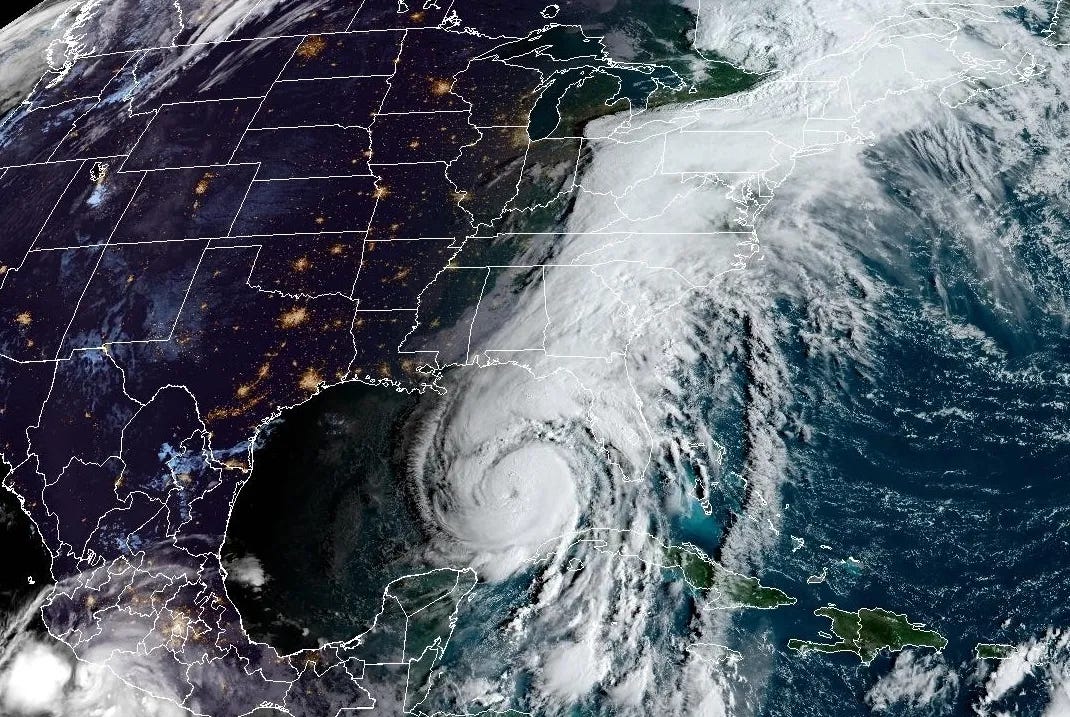
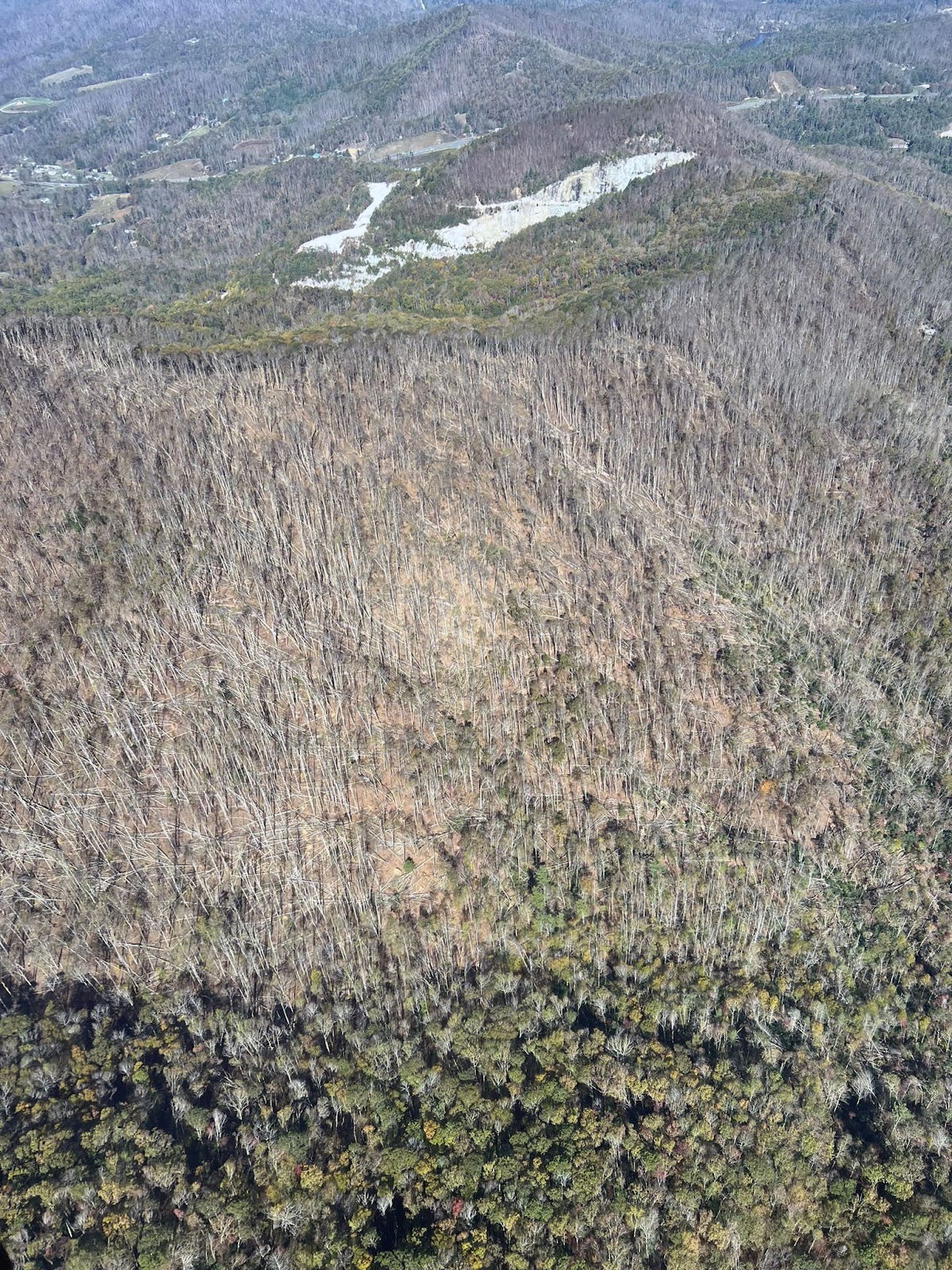
This project was born out of the chaos created by hurricane Helene in Appalachia and Florida, and hurricane Milton’s follow up devastation in Florida. Helene wiped out tens of thousands of homes and businesses in numerous towns in Western North Carolina, Tennessee and other states. Millions of trees were killed by the fierce wind, and many tons of soil eroded and washed out of the mountain landscapes. It was the worst storm in recent history, in terms of sheer devastation to human habitat and ecological systems.

Association for Regenerative Culture (ARC), with Lee Barnes at its head, and Suzanne Bonafas in key roles, is providing the inspiration for this project, funding, resources and guidance. I’m heading up the documentation and creation of the manuals, while Suzanne Bonefas is creating an online library of regenerative solutions to disasters, and Lee Barnes, with his deep ecological knowledge of the Smoky and Blue Ridge mountains, is the inspiration for all of this.
Permaculture Institute of North America (PINA) is providing network support and holding townhalls and other events to support the expansion of the project and We Regenerate is creating an online database of experts and front line resources for these disasters.
We are working together to create a comprehensive ecosystem of regenerative resources for prevention, preparation, mitigation, response and recovery of disasters in a searchable database that can be localized per local needs. In addition, we’re creating a library of evidence-based solutions and references along with other materials as appropriate and needed.

This is a big job and there is plenty of room for contribution. This job, in fact, will only be effectively addressed by entire communities. In the face of such devastation, we’re heartened to observe communities coming together to help one another. How can we learn lessons from the most successful efforts, and create a better future for all of us in the process?
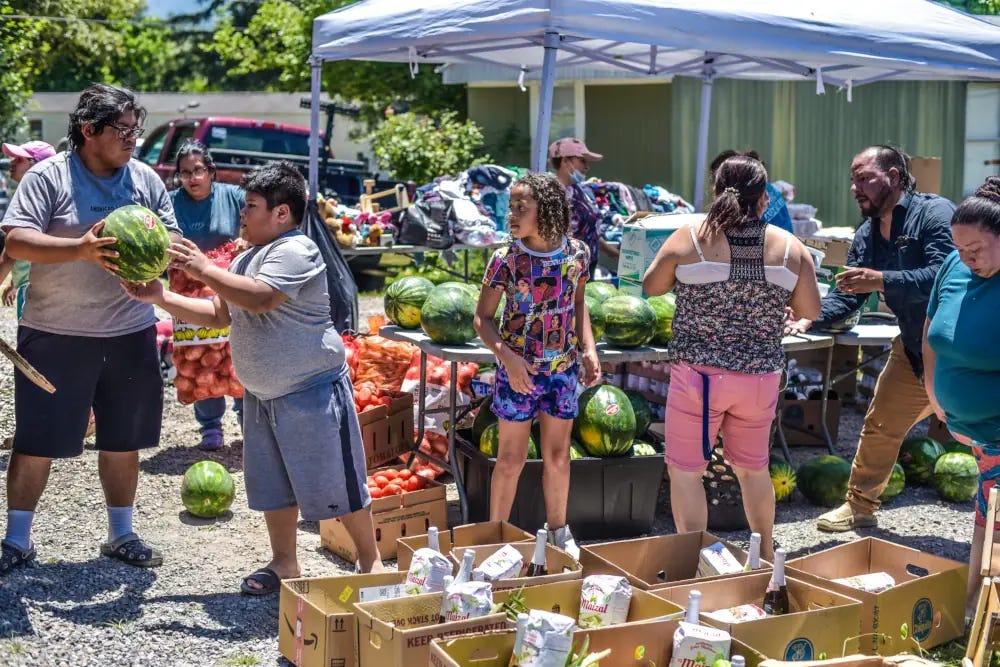
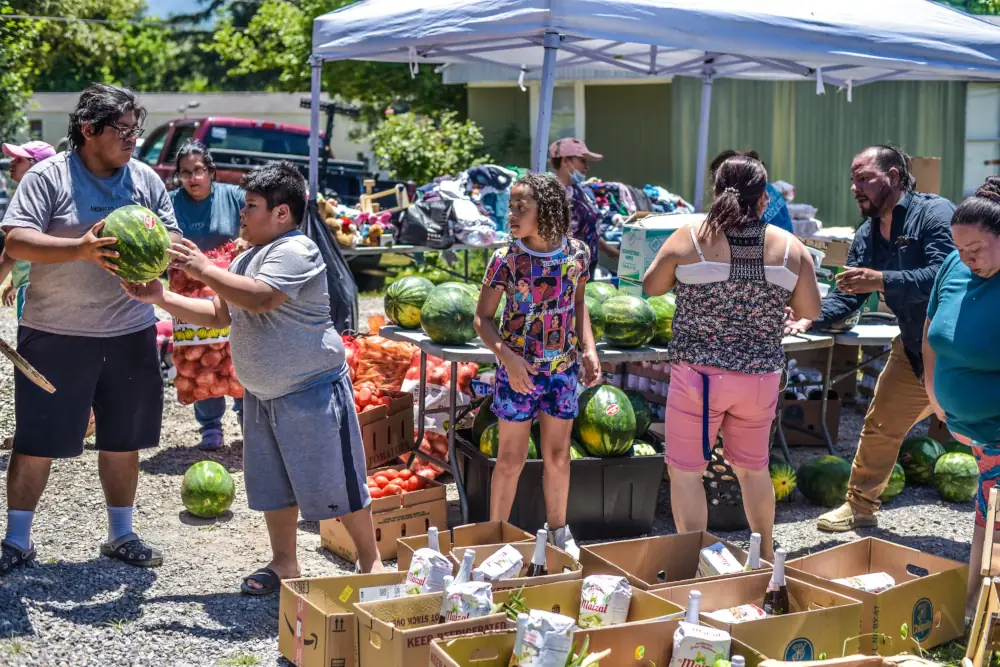
These efforts need to be both documented and communicated broadly.
To support that effort, the initiative is holding a free online Summit on this topic from August 18-23. There will be leading experts, including David Holmgren and Brock Dolman speaking and holding workshops, and other interactive sessions. We hope you will attend! The solutions to disasters ultimately help prevent disasters while increasing quality of life. These solutions are win-win-win.
You can register here: https://pina.in/summit_disaster-regeneration-summit-2025/
Attend as many sessions as you’d like.
To view our manuals and library or join our online forum, go here: https://pcx.earth/disaster
If you are working in this arena or a related field and have knowledge or resources you’d like to contribute, please contact me at koreen@growpermaculture.com.
If you would like to get in-depth training on how to design your home, business or community to be more disaster resilient, more abundant, healthier, and more beautiful, check out our internationally recognized Online Permaculture Design Course. This course contains hands-on and mentoring the same as an in an in-person PDC and has the advantage of allowing you to study at your pace when you can. There is also a version priced for high availability, where there is no certificate is handed out at the end. Read more about our courses and we hope you will join us in our journey towards more resilience!